Publication Draft Traditional Litter Boxes vs. Self-Cleaning Litter Boxes: Which Is Right for Your Cat?

About the Author
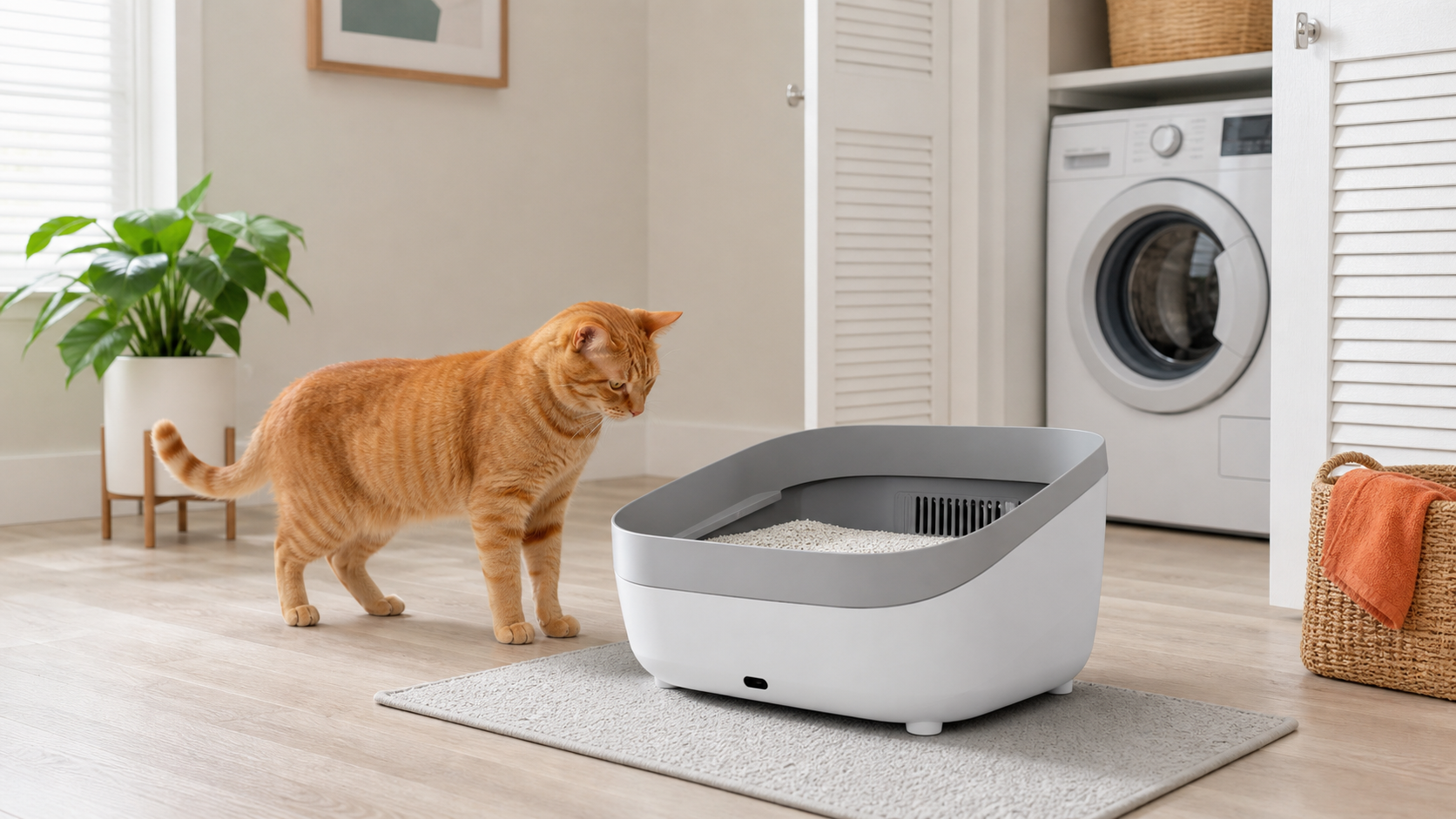
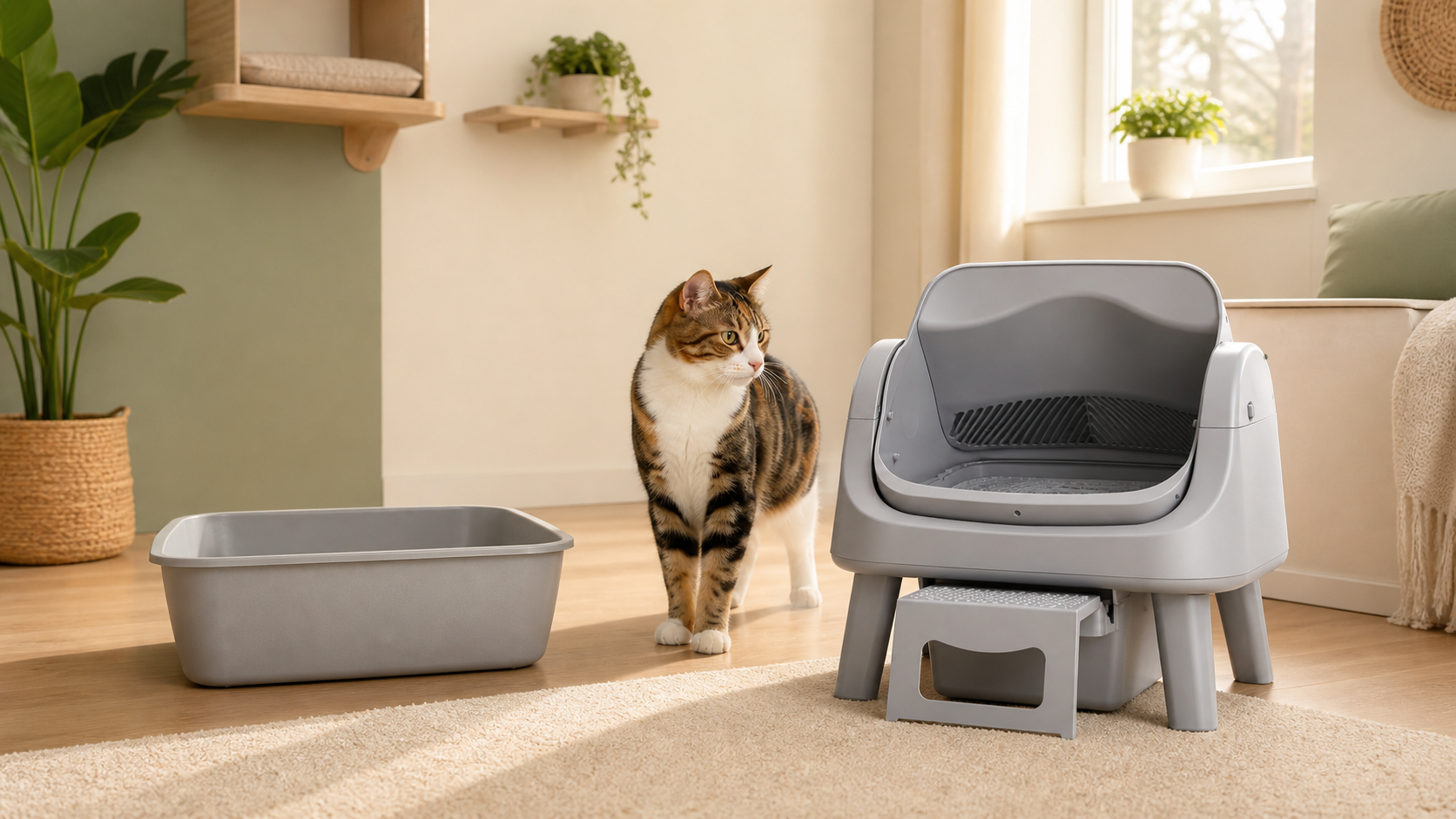
A traditional litter box gives the owner maximum control, low purchase cost and a familiar setup, but it depends on frequent hands-on scooping. A self-cleaning litter box can move clumped waste out of the litter bed after use, reducing routine scooping, but it adds moving parts, operating rules, model-specific litter requirements and periodic deep cleaning. The right choice is the option your cat can use comfortably and your household can maintain consistently. Do not decide from the word "automatic" alone. Start with the cat: size, mobility, confidence, litter preference and any history of house soiling. Then compare the work that remains for the owner. A machine that removes clumps but is difficult to wash may be less practical than a simple pan you clean reliably. A manual box that is not scooped often enough may be less acceptable to the cat than a well-maintained automatic box. Decision factor Traditional litter box Self-cleaning litter box Question to ask Upfront cost Usually lower Usually higher What is the full purchase and return cost? Daily work Hand scoop and inspect Check operation, litter bed and waste area Which routine will I actually follow? Cat familiarity Usually familiar New shape, sound and movement Can the cat enter, turn and exit comfortably? Litter choice Broad, subject to cat preference Limited by the mechanism and manual Does my accepted litter meet the model rules? Power and noise None Requires power and creates a cycle sound Is the location quiet, stable and near an outlet? Deep cleaning Simple pan and scoop Chamber, waste area and approved removable parts Can I disassemble and dry it correctly? Failure mode Owner misses scooping Sensor, litter or mechanical interruption Is there a backup box and support path? First decide what problem you are solving A self-cleaning box is useful when the main problem is the frequency of routine scooping. It may be especially attractive in a busy household, for an owner who finds repeated scooping physically difficult, or where clumps need to leave the clean litter bed more consistently. It is not a universal solution for odor, house soiling or medical changes. If a cat has suddenly started urinating or defecating outside the box, is straining, seems painful, produces little urine, has diarrhea or has changed elimination frequency, address that change with a veterinarian. Replacing the box without understanding the cause can add another variable to an already difficult situation. A traditional box may remain the better primary or backup option when: the cat is very young or below an automatic model's operating limit; the cat needs a very low entry or unusually large usable interior; the accepted litter is incompatible with the automatic mechanism; there is no stable indoor location with safe power access; the owner wants the simplest possible equipment; the household cannot follow the machine's cleaning and inspection routine. Traditional and self-cleaning boxes shift the work differently; neither removes the need for observation and maintenance. How the cleaning work actually differs With a traditional litter box, the owner identifies and removes urine clumps and stool. The process is direct: scoop, top up the litter, inspect the pan and periodically empty and wash it. The quality of the result depends heavily on how often the owner scoops and whether the box is large, accessible and clean enough for the cat. With a self-cleaning litter box, a rake, rotating chamber or sifting surface separates clumped waste from reusable litter and moves it into a waste area. That changes the work rather than removing it. The owner still needs to: confirm that the cycle completed normally; inspect for residue or broken clumps; maintain the litter between the minimum and maximum fill levels; empty the waste container before it overfills; clean approved removable components; keep visible sensors and movement paths free of litter and debris; notice changes in the cat's urine, stool and box-use pattern. The advantage is less frequent direct scooping. The tradeoff is that the maintenance is more structured and model-specific. Self-cleaning changes the waste-removal step; it does not make the litter area maintenance-free. Compare cat fit before comparing convenience Exterior dimensions tell you whether a box fits the room. They do not tell you whether the cat fits the usable litter area. Measure the entry, step height and interior space available after the cleaning mechanism and waste opening are accounted for. A cat should be able to enter without squeezing, stand in a natural posture, turn around, dig and leave without being blocked. Older cats and cats with joint or neurologic limitations may need a lower, more stable route. Large-bodied cats need published usable measurements, not only a broad "large cat" label. Box style also matters. A cover can retain litter scatter and provide visual enclosure, but it can also reduce usable space, hold odor and limit the cat's view or exit options. An open design provides visibility and can feel more familiar, but it may expose more litter and tracking. There is no substitute for observing the individual cat. Cleanliness, odor and what automation can really change Removing clumps from the litter bed sooner can reduce the time waste remains exposed. It can also help keep usable litter separate from collected waste. Those are meaningful benefits, but no mechanism makes a litter box odor-free. Odor still returns when: the litter does not form firm clumps; urine reaches the bottom or sides of the litter area; small clumps break and remain in the clean litter; the waste liner blocks a sensor or does not sit correctly; the waste container is full or has residue; washable parts are reinstalled damp; the room traps odor because ventilation is poor. Traditional and automatic boxes both need a realistic odor routine. The difference is where the waste waits: in the exposed litter bed until scooping, or in a separate waste area after a successful cycle. Safety and operating behavior A manual pan has no powered movement. Its safety questions are mainly physical: entry height, stability, broken plastic, cleanliness and access. An automatic box adds powered motion. Review the current model manual before use. Look for the minimum age and weight for automatic operation, the cycle delay, what happens when a cat approaches, how to stop or pause a cycle, when manual mode is required and what an alert means. Do not evaluate safety from the number of sensors alone. Ask how the whole system behaves before motion, during an interruption and after maintenance. Keep a suitable backup litter box available when the automatic unit is being cleaned, has lost power or needs support. For AutoScooper 12, the current PetPivot AutoScooper user guide sets a minimum of 3 lb and 6 months for automatic operation and recommends manual mode below those limits. Those are model-specific instructions, not a universal rule for every self-cleaning box. Litter compatibility and recurring cost A traditional pan can use many litter types, although the cat may strongly prefer one texture or scent. An automatic mechanism has an additional requirement: the litter must behave correctly during separation. Before buying, verify: whether the model requires clumping litter; accepted particle size and shape; excluded litters, pellets or crystals; minimum and maximum fill level; whether standard liners can be used; whether filters, trays or other consumables are proprietary. Do not switch the box and the litter at the same time unless compatibility makes it unavoidable. Familiar litter is one of the few stable cues a cat can carry into a new setup. Noise, power and placement A traditional box can go anywhere that is quiet, accessible and hygienically separated from food and water. A self-cleaning box also needs a flat stable surface, service clearance and a suitable outlet. Think about when the cleaning cycle will run. A box beside a washer, furnace or frequently slammed door can combine machine noise with environmental noise. A published decibel number is useful only when test conditions are known; the cat's observed response in the actual room matters more. Leave room to pull out the waste container, lift approved washable parts and pour litter without moving the entire unit. Keep the power cord out of the cat's route. Compare total ownership cost The purchase price is only the first line. Add the litter, liners, filters, replacement parts, electricity, return shipping and the value of a backup manual box. Read the current warranty and return terms before opening or discarding packaging. A traditional pan generally costs less to buy and replace. Its hidden cost is owner time and physical effort. A self-cleaning box costs more but may reduce repetitive scooping. The value depends on whether it works with the cat's accepted routine and whether the owner completes the remaining maintenance. Which setup fits common households? Choose a traditional litter box when the cat needs a simple, very low-entry or custom-sized pan; the household wants no powered equipment; the accepted litter is not compatible with the automatic model; purchase cost must remain minimal; the owner is able and willing to scoop at least daily; a recent medical or behavior issue requires a stable, observable setup. Consider a self-cleaning litter box when routine scooping is the main burden; the cat meets the model's operating limits; the usable interior and entry fit the cat; the accepted litter is compatible; the room has a stable surface, outlet and service clearance; the owner is comfortable checking operation and following a cleaning schedule. Use both during a transition Do not remove the accepted manual box on the day the automatic box arrives. Set up the new unit according to its guide, begin with automatic movement disabled when recommended and preserve the familiar litter. Let stable use, not a deadline, determine when the backup arrangement can change. Where PetPivot fits PetPivot's AutoScooper line is designed around open access, direct controls and automatic waste separation without requiring an app. That can fit an owner who wants less routine scooping without adding account setup or a connected ecosystem. It does not remove the need to verify model limits, litter rules, maintenance and cat acceptance. Review AutoScooper 11 product details and AutoScooper 12 Lite product details separately. Specifications and instructions are not interchangeable. AutoScooper 11 AutoScooper 12 Lite Official PetPivot product images. Confirm the current product page and model guide before publication. Final decision Choose the system that passes four tests: the cat can use it comfortably, the operating rules are clear, the remaining maintenance is realistic and the household can keep a backup option. Automatic cleaning is valuable when it improves consistency. A traditional pan is valuable when simplicity and flexibility matter more. Ready to inspect the current options? Browse PetPivot automatic litter boxes, then confirm the product page and user guide before ordering. Frequently Asked Questions Is a self-cleaning litter box really less work? Usually, but it changes the work rather than removing it. Automatic separation can replace routine scooping, while the owner still handles short checks, waste service and periodic cleaning. Check the litter bed and cycle result regularly. Empty and clean the waste area before it overfills or smells. Top up only compatible litter and clean approved removable parts. Allow time for deeper cleaning and occasional troubleshooting. Can one automatic litter box serve multiple cats? It may serve more than one cat if the model, waste capacity and cats' behavior support it. Do not reduce the household to one resource simply because the machine cycles after each visit. Watch how quickly the drawer fills. Confirm that every cat can enter, turn and exit comfortably. Keep separate clean options when cats block, avoid or compete for the same location. Can I still monitor my cat's urine and stool? Yes, but automation can make changes easier to miss if no one looks. Check waste appearance, frequency, litter-bed condition and changes in the cat's posture or use; contact a veterinarian when a pattern changes. What ongoing costs should I compare besides the purchase price? Compare the complete ownership pattern, not only the machine price. Compatible litter and the amount the system wastes or retains. Drawer liners, pads, filters or other model-specific consumables. Approved cleaning supplies and replacement parts. Warranty coverage, support access and possible repair or return shipping. Who should keep a traditional litter box available? Keep a manual option during transition, maintenance and any period when the automatic unit is unavailable. A traditional box may also remain the better primary choice for a cat that cannot meet the model's limits, cannot enter comfortably or consistently refuses the machine. Sources and Evidence Notes PetPivot AutoScooper User Guide - Current AutoScooper 12 setup, litter, transition, maintenance, indicators and operating limits. PetPivot AutoScooper 11 product page - Official product page and original product image. PetPivot AutoScooper 12 Lite product page - Official product page and original product image.
A traditional litter box gives the owner maximum control, low purchase cost and a familiar setup, but it depends on frequent hands-on scooping. A self-cleaning litter box can move clumped waste out of the litter bed after use, reducing routine scooping, but it adds moving parts, operating rules, model-specific litter requirements and periodic deep cleaning. The right choice is the option your cat can use comfortably and your household can maintain consistently.
Do not decide from the word "automatic" alone. Start with the cat: size, mobility, confidence, litter preference and any history of house soiling. Then compare the work that remains for the owner. A machine that removes clumps but is difficult to wash may be less practical than a simple pan you clean reliably. A manual box that is not scooped often enough may be less acceptable to the cat than a well-maintained automatic box.
|
Decision factor |
Traditional litter box |
Self-cleaning litter box |
Question to ask |
|
Upfront cost |
Usually lower |
Usually higher |
What is the full purchase and return cost? |
|
Daily work |
Hand scoop and inspect |
Check operation, litter bed and waste area |
Which routine will I actually follow? |
|
Cat familiarity |
Usually familiar |
New shape, sound and movement |
Can the cat enter, turn and exit comfortably? |
|
Litter choice |
Broad, subject to cat preference |
Limited by the mechanism and manual |
Does my accepted litter meet the model rules? |
|
Power and noise |
None |
Requires power and creates a cycle sound |
Is the location quiet, stable and near an outlet? |
|
Deep cleaning |
Simple pan and scoop |
Chamber, waste area and approved removable parts |
Can I disassemble and dry it correctly? |
|
Failure mode |
Owner misses scooping |
Sensor, litter or mechanical interruption |
Is there a backup box and support path? |
First decide what problem you are solving
A self-cleaning box is useful when the main problem is the frequency of routine scooping. It may be especially attractive in a busy household, for an owner who finds repeated scooping physically difficult, or where clumps need to leave the clean litter bed more consistently.
It is not a universal solution for odor, house soiling or medical changes. If a cat has suddenly started urinating or defecating outside the box, is straining, seems painful, produces little urine, has diarrhea or has changed elimination frequency, address that change with a veterinarian. Replacing the box without understanding the cause can add another variable to an already difficult situation.
A traditional box may remain the better primary or backup option when:
- the cat is very young or below an automatic model's operating limit;
- the cat needs a very low entry or unusually large usable interior;
- the accepted litter is incompatible with the automatic mechanism;
- there is no stable indoor location with safe power access;
- the owner wants the simplest possible equipment;
- the household cannot follow the machine's cleaning and inspection routine.

Traditional and self-cleaning boxes shift the work differently; neither removes the need for observation and maintenance.
How the cleaning work actually differs
With a traditional litter box, the owner identifies and removes urine clumps and stool. The process is direct: scoop, top up the litter, inspect the pan and periodically empty and wash it. The quality of the result depends heavily on how often the owner scoops and whether the box is large, accessible and clean enough for the cat.
With a self-cleaning litter box, a rake, rotating chamber or sifting surface separates clumped waste from reusable litter and moves it into a waste area. That changes the work rather than removing it. The owner still needs to:
- confirm that the cycle completed normally;
- inspect for residue or broken clumps;
- maintain the litter between the minimum and maximum fill levels;
- empty the waste container before it overfills;
- clean approved removable components;
- keep visible sensors and movement paths free of litter and debris;
- notice changes in the cat's urine, stool and box-use pattern.
The advantage is less frequent direct scooping. The tradeoff is that the maintenance is more structured and model-specific.

Self-cleaning changes the waste-removal step; it does not make the litter area maintenance-free.
Compare cat fit before comparing convenience
Exterior dimensions tell you whether a box fits the room. They do not tell you whether the cat fits the usable litter area. Measure the entry, step height and interior space available after the cleaning mechanism and waste opening are accounted for.
A cat should be able to enter without squeezing, stand in a natural posture, turn around, dig and leave without being blocked. Older cats and cats with joint or neurologic limitations may need a lower, more stable route. Large-bodied cats need published usable measurements, not only a broad "large cat" label.
Box style also matters. A cover can retain litter scatter and provide visual enclosure, but it can also reduce usable space, hold odor and limit the cat's view or exit options. An open design provides visibility and can feel more familiar, but it may expose more litter and tracking. There is no substitute for observing the individual cat.
Cleanliness, odor and what automation can really change
Removing clumps from the litter bed sooner can reduce the time waste remains exposed. It can also help keep usable litter separate from collected waste. Those are meaningful benefits, but no mechanism makes a litter box odor-free.
Odor still returns when:
- the litter does not form firm clumps;
- urine reaches the bottom or sides of the litter area;
- small clumps break and remain in the clean litter;
- the waste liner blocks a sensor or does not sit correctly;
- the waste container is full or has residue;
- washable parts are reinstalled damp;
- the room traps odor because ventilation is poor.
Traditional and automatic boxes both need a realistic odor routine. The difference is where the waste waits: in the exposed litter bed until scooping, or in a separate waste area after a successful cycle.
Safety and operating behavior
A manual pan has no powered movement. Its safety questions are mainly physical: entry height, stability, broken plastic, cleanliness and access.
An automatic box adds powered motion. Review the current model manual before use. Look for the minimum age and weight for automatic operation, the cycle delay, what happens when a cat approaches, how to stop or pause a cycle, when manual mode is required and what an alert means.
Do not evaluate safety from the number of sensors alone. Ask how the whole system behaves before motion, during an interruption and after maintenance. Keep a suitable backup litter box available when the automatic unit is being cleaned, has lost power or needs support.
For AutoScooper 12, the current PetPivot AutoScooper user guide sets a minimum of 3 lb and 6 months for automatic operation and recommends manual mode below those limits. Those are model-specific instructions, not a universal rule for every self-cleaning box.
Litter compatibility and recurring cost
A traditional pan can use many litter types, although the cat may strongly prefer one texture or scent. An automatic mechanism has an additional requirement: the litter must behave correctly during separation.
Before buying, verify:
- whether the model requires clumping litter;
- accepted particle size and shape;
- excluded litters, pellets or crystals;
- minimum and maximum fill level;
- whether standard liners can be used;
- whether filters, trays or other consumables are proprietary.
Do not switch the box and the litter at the same time unless compatibility makes it unavoidable. Familiar litter is one of the few stable cues a cat can carry into a new setup.
Noise, power and placement
A traditional box can go anywhere that is quiet, accessible and hygienically separated from food and water. A self-cleaning box also needs a flat stable surface, service clearance and a suitable outlet.
Think about when the cleaning cycle will run. A box beside a washer, furnace or frequently slammed door can combine machine noise with environmental noise. A published decibel number is useful only when test conditions are known; the cat's observed response in the actual room matters more.
Leave room to pull out the waste container, lift approved washable parts and pour litter without moving the entire unit. Keep the power cord out of the cat's route.
Compare total ownership cost
The purchase price is only the first line. Add the litter, liners, filters, replacement parts, electricity, return shipping and the value of a backup manual box. Read the current warranty and return terms before opening or discarding packaging.
A traditional pan generally costs less to buy and replace. Its hidden cost is owner time and physical effort. A self-cleaning box costs more but may reduce repetitive scooping. The value depends on whether it works with the cat's accepted routine and whether the owner completes the remaining maintenance.
Which setup fits common households?
Choose a traditional litter box when
- the cat needs a simple, very low-entry or custom-sized pan;
- the household wants no powered equipment;
- the accepted litter is not compatible with the automatic model;
- purchase cost must remain minimal;
- the owner is able and willing to scoop at least daily;
- a recent medical or behavior issue requires a stable, observable setup.
Consider a self-cleaning litter box when
- routine scooping is the main burden;
- the cat meets the model's operating limits;
- the usable interior and entry fit the cat;
- the accepted litter is compatible;
- the room has a stable surface, outlet and service clearance;
- the owner is comfortable checking operation and following a cleaning schedule.
Use both during a transition
Do not remove the accepted manual box on the day the automatic box arrives. Set up the new unit according to its guide, begin with automatic movement disabled when recommended and preserve the familiar litter. Let stable use, not a deadline, determine when the backup arrangement can change.
Where PetPivot fits
PetPivot's AutoScooper line is designed around open access, direct controls and automatic waste separation without requiring an app. That can fit an owner who wants less routine scooping without adding account setup or a connected ecosystem. It does not remove the need to verify model limits, litter rules, maintenance and cat acceptance.
Review AutoScooper 11 product details and AutoScooper 12 Lite product details separately. Specifications and instructions are not interchangeable.
|
|
|


Official PetPivot product images. Confirm the current product page and model guide before publication.
Final decision
Choose the system that passes four tests: the cat can use it comfortably, the operating rules are clear, the remaining maintenance is realistic and the household can keep a backup option. Automatic cleaning is valuable when it improves consistency. A traditional pan is valuable when simplicity and flexibility matter more.
Ready to inspect the current options? Browse PetPivot automatic litter boxes, then confirm the product page and user guide before ordering.
Frequently Asked Questions
Is a self-cleaning litter box really less work?
Usually, but it changes the work rather than removing it. Automatic separation can replace routine scooping, while the owner still handles short checks, waste service and periodic cleaning.
- Check the litter bed and cycle result regularly.
- Empty and clean the waste area before it overfills or smells.
- Top up only compatible litter and clean approved removable parts.
- Allow time for deeper cleaning and occasional troubleshooting.
Can one automatic litter box serve multiple cats?
It may serve more than one cat if the model, waste capacity and cats' behavior support it. Do not reduce the household to one resource simply because the machine cycles after each visit.
- Watch how quickly the drawer fills.
- Confirm that every cat can enter, turn and exit comfortably.
- Keep separate clean options when cats block, avoid or compete for the same location.
Can I still monitor my cat's urine and stool?
Yes, but automation can make changes easier to miss if no one looks. Check waste appearance, frequency, litter-bed condition and changes in the cat's posture or use; contact a veterinarian when a pattern changes.
What ongoing costs should I compare besides the purchase price?
Compare the complete ownership pattern, not only the machine price.
- Compatible litter and the amount the system wastes or retains.
- Drawer liners, pads, filters or other model-specific consumables.
- Approved cleaning supplies and replacement parts.
- Warranty coverage, support access and possible repair or return shipping.
Who should keep a traditional litter box available?
Keep a manual option during transition, maintenance and any period when the automatic unit is unavailable. A traditional box may also remain the better primary choice for a cat that cannot meet the model's limits, cannot enter comfortably or consistently refuses the machine.
Sources and Evidence Notes
- PetPivot AutoScooper User Guide - Current AutoScooper 12 setup, litter, transition, maintenance, indicators and operating limits.
- PetPivot AutoScooper 11 product page - Official product page and original product image.
- PetPivot AutoScooper 12 Lite product page - Official product page and original product image.
You may also like

AutoScooper 11 Litter Base Bed – 2 Pack

AutoScooper 11 Waste Bags – 60 Count

AutoScooper 11 Waterproof Replacement Liner - 2 Pack

AutoScooper 12 Lite Cat Litter Box

AutoScooper 12 Lite Cat Litter Box
Further reading
Self-Cleaning Litter Box Pros and Cons: Honest Guide Before You Buy
Publication Draft Traditional Litter Boxes vs. Self-Cleaning Litter Boxes: Which Is Right for Your Cat?