Litter Box Smells Like Ammonia: 6 Causes and Safe Fixes

About the Author
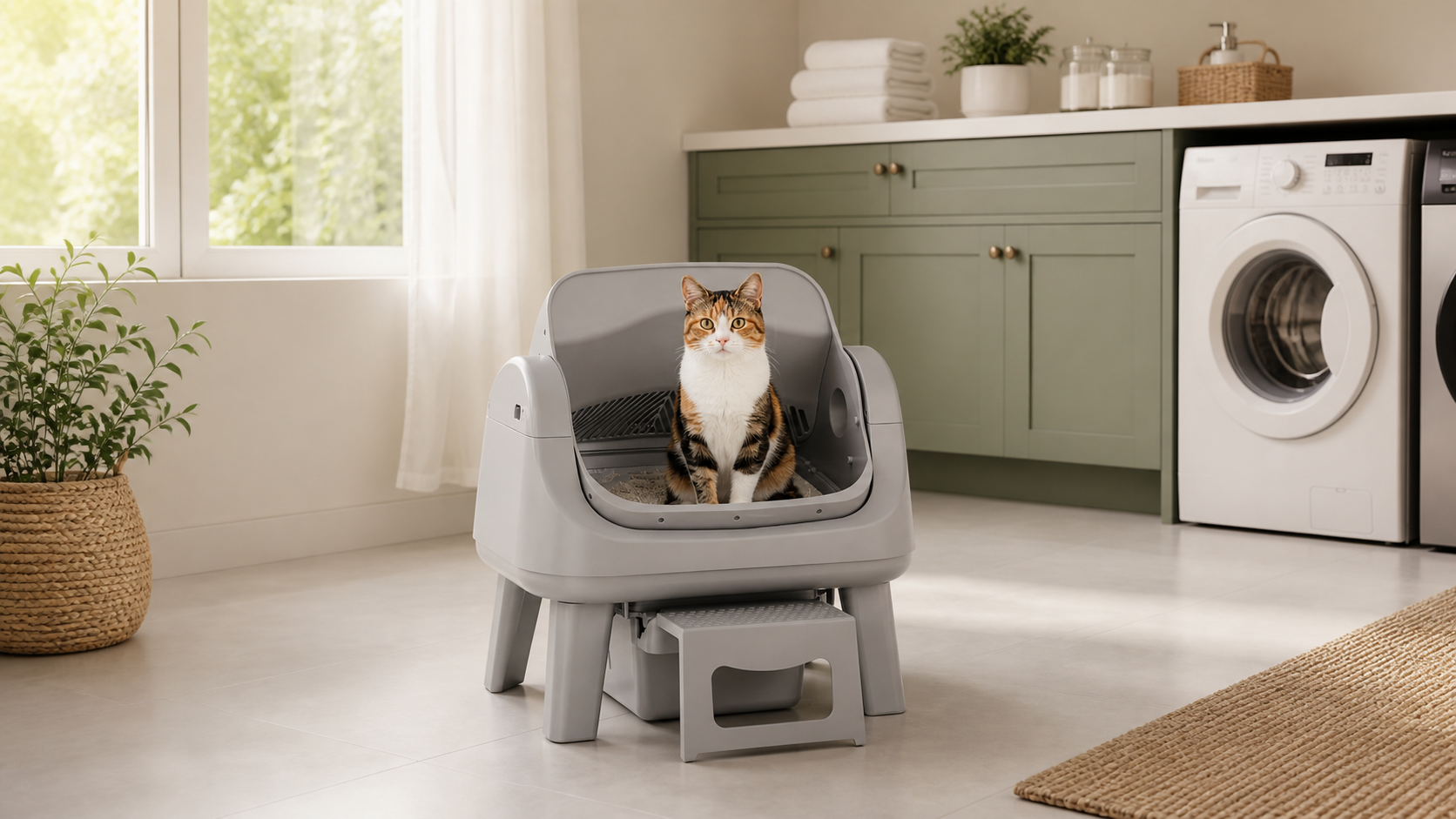
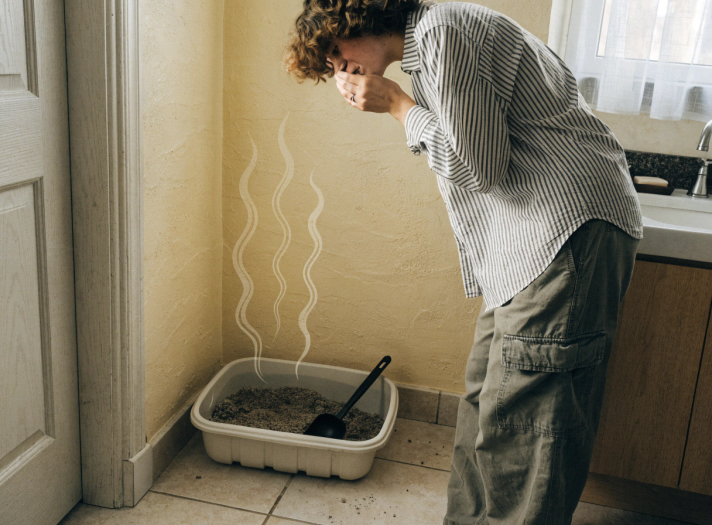
A litter box usually develops a sharp ammonia smell when urine or damp litter remains long enough for bacterial breakdown. Start by removing clumps and saturated litter, washing and drying the tray, checking the floor and seams for hidden residue, and improving ventilation. If fresh urine suddenly smells different and your cat is straining, drinking more, or producing unusual clumps, contact your veterinarian. Most cases come down to delayed waste removal, saturated litter, trapped moisture, scratched plastic, too few boxes, or urine hidden outside the tray. Work through those causes in order instead of masking the smell with fragrance. ● Try first Scoop every day instead of every few days. When delayed waste removal is the cause, this often clears the odor on its own. ● If it persists Empty and wash the tray. Treat the floor around it with enzyme cleaner. Open the room up. ● Never Put bleach anywhere near urine or an ammonia cleaner. That reaction gives off chloramine gas. ● Call a vet A strong smell the instant she urinates. Especially with more thirst, straining, or weight loss. Why Does a Cat’s Litter Box Smell Like Ammonia? Cat urine contains urea, a nitrogen-containing waste product. As urine remains in damp litter, microorganisms can break down urea and release ammonia. That process makes the odor sharper over time, although urine can also contain other odor-producing compounds. The practical takeaway is simple: remove wet material before it sits, and clean residue instead of covering it with fragrance. Warm, humid, poorly ventilated rooms can make odor build faster. Saturated or poorly clumping litter adds to the problem because wet fragments remain behind or urine reaches the bottom of the tray. Check the litter's clump strength, moisture level, and depth before changing products. Timing can help you locate the source, but smell alone cannot diagnose a health problem. Odor that returns hours after use often points to wet litter or residue. A sudden change in the smell of fresh urine is worth monitoring, especially when it appears with straining, blood, frequent small urinations, increased thirst, weight loss, or appetite changes. 6 Reasons Your Litter Box Smells Like Ammonia These run roughly in order of likelihood, so work down the list rather than replacing everything at once. 1. Urine Clumps Sit Too Long Urine clumps left in the tray give odor more time to develop. Scoop at least daily—and more often in heavily used boxes—then replace litter according to the product instructions and actual saturation rather than waiting for a fixed odor threshold. 2. The Litter Is Saturated or Absorbs Poorly Litter that is saturated or forms weak clumps leaves urine-soaked fragments behind when you scoop. Check for damp areas on the tray bottom and small wet pieces falling through the scoop; both indicate that the litter or cleaning schedule needs adjustment. 3. A hooded box traps moisture A dome restricts airflow and holds humidity inside. Ammonia concentrates in exactly the space your cat puts her head. Condensation on the inside of the lid confirms it. And a charcoal filter loses effectiveness over time, so replace it on the manufacturer's schedule, or sooner if the box stays humid or the smell lingers. 4. Scratched plastic holds residue Digging claws cut micro-grooves into the floor and walls of the tray. Urine settles into them. So does bacteria. No sponge reaches that deep, which is how a scrubbed box still smells once the room warms up. Humid weather brings it straight back. 5. Too few boxes for the number of cats The standard is one box per cat plus one extra, and Cornell's feline health center endorses it. Multi-cat use can saturate litter faster, but there is no universal timetable. Provide enough boxes in separate locations and adjust cleaning frequency to actual use, litter performance, and odor buildup. 6. The urine itself has changed If the tray and surrounding area are clean but a new odor persists, monitor the urine itself and your cat's behavior. Concentrated urine can smell stronger, but odor alone does not identify the cause. Veterinary assessment matters when the change appears with urinary discomfort, thirst, weight loss, appetite change, or low energy. How to Remove Ammonia Odor Safely A lingering smell means residue is still somewhere. Fragrance will not remove it. Start with the tray. Then work outward. Remove the stool and clumps first. Then the broken wet fragments that stay behind. Empty whatever remains into a sealed bag and do not reuse anything damp. Wash the tray with warm water and mild unscented soap. Corners and seams matter most. So does the underside of the rim and the inside of any hood. Use a soft cloth. An abrasive brush adds the scratches that cause problem four. Rinse until no soap remains. Dry the tray completely before refilling, because moisture left in seams restarts the cycle. Treating the Area Around the Box The tray may not be the only source. Move it and inspect the floor, carpet edges, baseboards, mat, and nearby wall. Use a cleaner labeled for pet urine on compatible surfaces, test it in a hidden area, and follow the manufacturer's dilution and contact-time instructions. Do not assume one product is safe for every surface. Clean reusable mats separately and replace them if odor remains after proper washing and complete drying. ⚠ CLEANING SAFETY Never mix bleach with ammonia, urine residue, acids, or other household cleaners. Dangerous gases can form. Remove waste first, use one cat-safe cleaning product as directed, rinse thoroughly, ventilate the room, and keep cats away until the tray and surrounding surfaces are fully dry. If fumes cause coughing, burning eyes, dizziness, or breathing difficulty, leave the area and seek medical advice. A Simple Routine to Prevent Ammonia Odor Daily • Remove urine clumps, stool, and broken wet fragments. • Confirm the litter remains dry enough to form solid clumps. • Check the surrounding floor and mat for leaks or tracking. During Full Litter Changes • Empty the tray, wash it with a compatible unscented cleaner, rinse, and dry it completely. • Inspect seams, scratches, liners, filters, and the area beneath the box. • Replace litter sooner when it stays damp, crumbles, reaches the tray bottom, or smells soon after scooping. For Multi-Cat Homes Provide enough boxes in separate locations and clean according to actual use. One heavily used tray can saturate quickly even when the calendar says it is not due for a change. A consistent routine supports cleaner everyday cat care and makes changes in clump size or frequency easier to notice. Why Your Automatic Litter Box May Still Smell Like Ammonia An automatic cat litter box can reduce the time clumps remain in the litter bed after a successful cleaning cycle. It is not maintenance-free: waste still collects in a drawer or bin, liners can leak, litter can crumble, and surfaces outside the cleaning path still need attention. Start by watching what happens after your cat leaves the box. Some machines wait several minutes before cycling, and a long delay leaves wet litter sitting there exactly as it would in a manual tray. Check What goes wrong Waste drawer Empty before it packs tight. A full drawer stops the lid sealing. Drawer liner Tears and loose edges let urine escape underneath. Beneath the drum Urine collects here when a cat goes against the wall. Seals and rims Damp litter builds around rubber seals, hinges, and entry steps. Sensors Dust and stuck litter interrupt cycles, leaving waste behind. Carbon filter Replace when expired, damp, or soiled. Litter type Weak clumps crumble during rotation and coat internal surfaces. What owners miss Automatic cleaning removes the evidence along with the waste. Because it disappears before anyone looks at it, a change in clump size or frequency can go unnoticed for weeks. Inspect the waste drawer and note changes in clump size, frequency, appetite, thirst, and behavior. A clean-looking litter bed does not prove that a cat is healthy, and waste inspection does not replace veterinary testing. Do You Need to Change the Litter, Take the Hood Off, or Buy a New Box? Check each part by itself because that’s the only way to discover what the faulty item really is. Litter: Change texture or formulation gradually when possible. Mix the old and new litter over about 7–10 days, unless the product instructions say otherwise, and watch for hesitation, perching at the edge, or elimination outside the box. Hood and filter: If the box is designed to operate safely without its hood, follow the manufacturer's instructions and test one change at a time. Clean condensation and residue, replace filters on the approved schedule, and improve room ventilation without directing strong airflow across dusty litter. The box itself: Replace the tray when it still smells after being emptied, washed, rinsed, and dried. Deep scratches in the floor are another sign, since they trap urine and odor where no cleaning reaches. When you replace it, the design matters as much as the material. If you are replacing the box, compare entry layout, litter compatibility, cleaning access, waste-bin design, and maintenance requirements. The AutoScooper 12 Lite uses an open-top layout and an automatic cleaning cycle; check the current product details and user guidance before deciding whether it fits your cat and routine. Is Ammonia From Cat Litter Harmful? A strong ammonia odor can irritate the eyes, nose, throat, and airways. The actual risk depends on concentration, ventilation, exposure time, and individual health, so smell cannot be converted into a reliable household safety number. Remove the source, ventilate the room, and avoid leaning over the tray to test the odor. Cats are close to the litter surface when they eliminate, and enclosed boxes may retain odor and moisture. Kittens, senior cats, and cats with respiratory disease may be more vulnerable to irritants. Discuss persistent exposure concerns or respiratory signs with a veterinarian. Asthmatic, chronically ill people, children, and elderly people are more sensitive as well. In case of burning eyes, coughing, throat irritation, difficulty breathing, and dizziness, leave the room, ventilate it and clean it up. Signs the Odor May Point to a Health Problem Smell alone diagnoses nothing. Kidney disease, diabetes, urinary inflammation, infection, dehydration, and diet changes can affect urination in different ways, but no specific odor confirms or rules out a condition. Pay more attention to thirst, urine volume, visit frequency, straining, appetite, weight, energy, and veterinary test results. What matters is a change that arrives alongside other changes, so book an appointment when a new or unusually strong odor shows up with any of these: Arrange an appointment Seek urgent care A strong smell immediately after fresh urination Repeated straining that produces little or no urine Increased thirst or larger urine clumps A male cat unable to urinate Frequent visits producing only small amounts A painful or firm abdomen Urinating outside the box, or blood in the urine Crying, collapse, or repeated vomiting Weight loss, appetite changes, or low energy Sudden severe weakness FAQs Is the Smell of Ammonia Harmful to Cats? A brief odor noticed during cleaning is different from persistent, eye-watering fumes in a closed room. Remove the source and ventilate. Contact a veterinarian if your cat develops coughing, wheezing, repeated sneezing, eye irritation, breathing difficulty, or sudden litter-box avoidance. Is It Bad to Breathe in Ammonia From Cat Litter? People with asthma or chronic lung disease, children, and older adults may be more sensitive to strong fumes. If anyone develops burning eyes, coughing, throat irritation, dizziness, or breathing difficulty, leave the area, get fresh air, and seek medical advice when symptoms are severe or do not resolve. When Should I Replace the Litter Box Instead of Cleaning It? Replace the tray when odor remains after it has been emptied, washed with a compatible product, rinsed, and dried, or when deep scratches and damaged seams make thorough cleaning difficult. Scratches suggest places where residue may persist; they are not proof by themselves. What Does Kidney Disease Cat Urine Smell Like? There is no specific urine odor that confirms kidney disease. Watch for increased thirst or urination, larger or more frequent clumps, weight loss, appetite changes, vomiting, or low energy, and rely on veterinary examination and testing rather than smell. What Should I Do if My Apartment Smells Like Ammonia From the Litter Box? Start by cleaning the litter box and then deal with everything in its immediate surrounding. Urine tends to seep into the baseboard, the edges of carpets and subfloors. Move the litter box and see behind it. What Removes the Odor of Cat Urine? An enzyme cleaner on anything porous, plus unscented soap and water on the tray. Enzymes break down the uric acid crystals that soap leaves behind. Give it the full contact time on the label. Is It Bad if My Cat’s Fresh Urine Smells Strongly Like Ammonia? A sudden change in the smell of fresh urine is worth monitoring, but it does not diagnose infection or dehydration. Contact your veterinarian when it appears with straining, blood, frequent small urinations, increased thirst, weight loss, pain, vomiting, or trouble passing urine. Sources Environmental health team, Washington State Department of Health — Dangers of Mixing Bleach with Cleaners National Institute for Occupational Safety and Health, Centers for Disease Control and Prevention — NIOSH Pocket Guide to Chemical Hazards: Ammonia Feline health faculty, Cornell Feline Health Center, Cornell University College of Veterinary Medicine — Feline Behavior Problems: House Soiling Feline health faculty, Cornell Feline Health Center, Cornell University College of Veterinary Medicine — Chronic Kidney Disease Wendy Brooks, DVM, DABVP, Veterinary Information Network — Inappropriate Elimination (House Soiling) in Cats Behavior team, ASPCA — Litter Box Problems
|
● Try first
|
Scoop every day instead of every few days. When delayed waste removal is the cause, this often clears the odor on its own.
|
|
● If it persists
|
Empty and wash the tray. Treat the floor around it with enzyme cleaner. Open the room up.
|
|
● Never
|
Put bleach anywhere near urine or an ammonia cleaner. That reaction gives off chloramine gas.
|
|
● Call a vet
|
A strong smell the instant she urinates. Especially with more thirst, straining, or weight loss.
|
Why Does a Cat’s Litter Box Smell Like Ammonia?
6 Reasons Your Litter Box Smells Like Ammonia

1. Urine Clumps Sit Too Long
2. The Litter Is Saturated or Absorbs Poorly
3. A hooded box traps moisture
4. Scratched plastic holds residue
5. Too few boxes for the number of cats
6. The urine itself has changed
How to Remove Ammonia Odor Safely

Treating the Area Around the Box
|
⚠ CLEANING SAFETY
Never mix bleach with ammonia, urine residue, acids, or other household cleaners. Dangerous gases can form. Remove waste first, use one cat-safe cleaning product as directed, rinse thoroughly, ventilate the room, and keep cats away until the tray and surrounding surfaces are fully dry. If fumes cause coughing, burning eyes, dizziness, or breathing difficulty, leave the area and seek medical advice.
|
A Simple Routine to Prevent Ammonia Odor
Daily
During Full Litter Changes
For Multi-Cat Homes
Why Your Automatic Litter Box May Still Smell Like Ammonia

|
Check
|
What goes wrong
|
|
Waste drawer
|
Empty before it packs tight. A full drawer stops the lid sealing.
|
|
Drawer liner
|
Tears and loose edges let urine escape underneath.
|
|
Beneath the drum
|
Urine collects here when a cat goes against the wall.
|
|
Seals and rims
|
Damp litter builds around rubber seals, hinges, and entry steps.
|
|
Sensors
|
Dust and stuck litter interrupt cycles, leaving waste behind.
|
|
Carbon filter
|
Replace when expired, damp, or soiled.
|
|
Litter type
|
Weak clumps crumble during rotation and coat internal surfaces.
|
|
What owners miss
Automatic cleaning removes the evidence along with the waste. Because it disappears before anyone looks at it, a change in clump size or frequency can go unnoticed for weeks. Inspect the waste drawer and note changes in clump size, frequency, appetite, thirst, and behavior. A clean-looking litter bed does not prove that a cat is healthy, and waste inspection does not replace veterinary testing.
|
Do You Need to Change the Litter, Take the Hood Off, or Buy a New Box?
Is Ammonia From Cat Litter Harmful?

Signs the Odor May Point to a Health Problem
|
Arrange an appointment
|
Seek urgent care
|
|
A strong smell immediately after fresh urination
|
Repeated straining that produces little or no urine
|
|
Increased thirst or larger urine clumps
|
A male cat unable to urinate
|
|
Frequent visits producing only small amounts
|
A painful or firm abdomen
|
|
Urinating outside the box, or blood in the urine
|
Crying, collapse, or repeated vomiting
|
|
Weight loss, appetite changes, or low energy
|
Sudden severe weakness
|
FAQs
Is the Smell of Ammonia Harmful to Cats?
Is It Bad to Breathe in Ammonia From Cat Litter?
When Should I Replace the Litter Box Instead of Cleaning It?
What Does Kidney Disease Cat Urine Smell Like?
What Should I Do if My Apartment Smells Like Ammonia From the Litter Box?
What Removes the Odor of Cat Urine?
Is It Bad if My Cat’s Fresh Urine Smells Strongly Like Ammonia?
Sources
- Environmental health team, Washington State Department of Health — Dangers of Mixing Bleach with Cleaners
- National Institute for Occupational Safety and Health, Centers for Disease Control and Prevention — NIOSH Pocket Guide to Chemical Hazards: Ammonia
- Feline health faculty, Cornell Feline Health Center, Cornell University College of Veterinary Medicine — Feline Behavior Problems: House Soiling
- Feline health faculty, Cornell Feline Health Center, Cornell University College of Veterinary Medicine — Chronic Kidney Disease
- Wendy Brooks, DVM, DABVP, Veterinary Information Network — Inappropriate Elimination (House Soiling) in Cats
- Behavior team, ASPCA — Litter Box Problems
You may also like


AutoScooper 11 Waterproof Replacement Liner - 2 Pack

AutoScooper 12 Lite Cat Litter Box

AutoScooper 12 Lite Cat Litter Box

AutoScooper 12 Lite Cat Litter Box

AutoScooper 12 Lite Cat Litter Box
Further reading
How Many Litter Boxes for Multiple Cats? Setup Guide
9 Practical Ways on How to Reduce Cat Litter Tracking
Best Litter for Automatic Litter Boxes: Clumping, Dust, Tracking and Odor